By the TopStraps team · Updated September 2026
Quick answer: For most everyday wear, an aftermarket Oysterflex strap is worth it: a well-made one gives you very similar comfort and durability for a fraction of the price of the original, with far more colour options. The original Rolex Oysterflex still wins on fine finishing and clasp precision, and it is the right choice if you want only factory Rolex parts on your watch.
Rolex’s Oysterflex strap represents one of the most significant innovations in luxury watch comfort and durability. Originally introduced in 2015 with the Yacht-Master, this revolutionary strap combines the flexibility of rubber with the robustness of metal, creating an entirely new category of watch straps. But with genuine Rolex Oysterflex straps commanding premium prices and limited availability, many watch enthusiasts are turning to aftermarket alternatives such as Oysterflex-style rubber straps for Rolex.
The real question is whether aftermarket versions can deliver the same experience at a fraction of the cost. With high-quality aftermarket options now available for under $60, compared to several hundred dollars for genuine Rolex versions, the value proposition is compelling, but there are honest trade-offs to weigh.

Original vs. Aftermarket Oysterflex at a Glance
The main differences between the original and an aftermarket Oysterflex are price, finishing, the clasp and choice, while comfort in daily wear is often very close.
| Criteria | Original Rolex Oysterflex | Quality aftermarket Oysterflex-style strap |
|---|---|---|
| Price | Several hundred dollars | Available for under $60 |
| Construction | Titanium-nickel alloy blade over-molded with elastomer | Similar metal blade and elastomer construction; alloys and processes vary by maker |
| Comfort in daily wear | Excellent | Often very close to the original |
| Clasp | Rolex Oysterlock or Glidelock systems | Own clasp or buckle; may not match the precision feel of the Rolex systems |
| Finishing | Top-level finishing and surface texture | Can differ slightly in texture and finishing |
| Fit | Made for the models Rolex sells it on | Model-specific versions for Submariner, Daytona, GMT-Master and Yacht-Master cases |
| Colours and styles | Limited | Wide choice of colours and styles |
| Best for | Owners who want only factory Rolex parts | Daily wear, vintage models, extra colours, protecting an original bracelet |
Understanding the Oysterflex Technology
The Oysterflex is a superelastic metal blade over-molded with high-performance elastomer, not simply a rubber strap with a fancy name. This construction provides the flexibility and comfort of rubber while maintaining the structural integrity and longevity expected from Rolex.
The metal blade construction allows the strap to return to its original shape after stretching, preventing the permanent deformation that affects traditional rubber straps over time. The elastomer coating provides comfort against the skin while offering excellent resistance to UV rays, temperature extremes, and chemical exposure.
Rolex’s version features a titanium-nickel alloy blade, chosen for its superelastic properties and corrosion resistance. The elastomer is formulated specifically for skin contact and long-term durability. These materials work together to create a strap that feels substantial yet comfortable, formal yet sporty.

Aftermarket vs. OEM: The Quality Comparison
A high-quality aftermarket Oysterflex comes close to the original in construction and comfort, but not always in the fine details. The best aftermarket versions now feature similar metal blade construction, though they may use different alloys or manufacturing processes to achieve cost savings.
The elastomer in premium aftermarket straps closely matches the feel and durability of genuine Rolex versions, and the difference in daily wear is often small, with both providing the characteristic Oysterflex comfort.
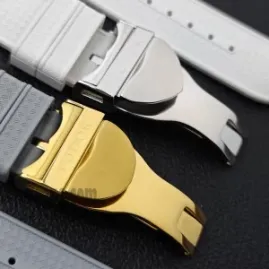
Where aftermarket straps sometimes fall short is in the fine details. The clasp mechanisms may not have the same precision feel as Rolex’s Oysterlock or Glidelock systems. The surface texturing might be slightly different, and the overall finishing may lack the absolute perfection of Swiss manufacturing. These differences are often subtle, but they are real, and worth knowing before you buy.
Fit and Compatibility Considerations
A good aftermarket Oysterflex fits well only if it is made for your specific model, because the connection between strap and case is crucial for both aesthetics and function.
Aftermarket straps for Rolex designed for specific models, such as Submariner, Daytona, GMT-Master or Yacht-Master, feature lug interfaces shaped to the case dimensions. This gives a clean transition from case to strap without gaps or misalignment.
The curved ends are particularly important for achieving the proper fit. Quality aftermarket manufacturers use model-specific tooling so their straps follow the natural curve of each watch case, which is why checking your reference number and lug width before ordering matters.
The Comfort Factor
Comfort is where the Oysterflex design truly shines, and quality aftermarket Oysterflex-style straps for Rolex deliver much of this benefit. The combination of flexibility and structure creates a strap that conforms to your wrist while maintaining its shape. This is particularly noticeable during temperature changes or extended wear periods.
The elastomer material helps reduce the sticky feel that is a common complaint with traditional rubber straps. The perforated versions available in some aftermarket options can further improve breathability, though they sacrifice some of the clean aesthetic of the solid versions.
The metal blade construction also helps distribute the watch’s weight more evenly across the wrist, reducing pressure points that can develop with traditional leather straps or metal bracelets.
Versatility and Style Options
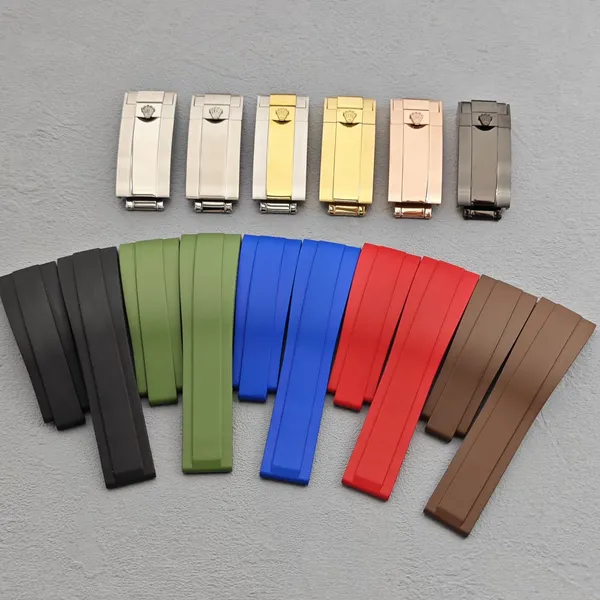
Variety is the clearest advantage of aftermarket Oysterflex straps for Rolex. Rolex produces its straps in limited colour options and only for specific models, while aftermarket makers offer far more choice.
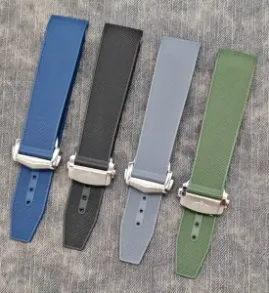
Color choices range from classic black and white to bold blues, reds, and even camouflage patterns. Some manufacturers offer two-tone options or colored stitching details that can complement specific watch configurations. This variety allows for greater personalization and the ability to match different outfits or occasions.
The ability to have multiple straps for different situations is particularly appealing. At current aftermarket prices, you can purchase several straps for less than the cost of one genuine Rolex version, allowing you to switch between colors and styles as desired.
When Aftermarket Makes Perfect Sense
An aftermarket Oysterflex makes the most sense for vintage models, for protecting an original bracelet, and for hard daily use. Vintage Rolex models that never received factory Oysterflex options can be transformed with aftermarket alternatives: a vintage Submariner or GMT-Master can gain modern comfort while maintaining its classic appeal.
Preserving original bracelets is another compelling reason. Many collectors prefer to keep their original Oyster or Jubilee bracelets in pristine condition, using aftermarket straps for daily wear.
For tool watch users who subject their Rolex to harsh conditions, aftermarket straps offer a cost-effective solution. The ability to replace a damaged strap for $60 rather than several hundred dollars makes the watch more practical for demanding use.
When the Original Is the Better Choice
The original Rolex Oysterflex is the better choice if you want only factory Rolex parts on your watch. It is also the natural pick if your model was sold with an Oysterflex and you want the exact original look, or if the precise feel of the Rolex clasp matters most to you.
Installation and Maintenance
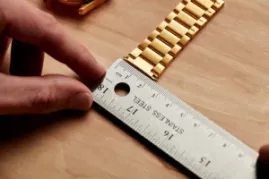
Fitting an aftermarket Oysterflex strap is straightforward with a standard spring bar tool, and upkeep is limited to occasional cleaning with soap and water. For tools, step-by-step fitting and aftercare, see our guide to replacing a Rolex Oysterflex band.
Making the Right Choice
The decision between aftermarket and genuine Oysterflex straps comes down to your priorities and budget. Owners who want only factory Rolex parts on their watch will naturally prefer the original.
For practical daily use, aftermarket options offer strong value. The combination of comfort, durability, and affordability makes them an attractive choice for many Rolex owners, and the ability to experiment with different colours without significant investment adds to their appeal.
Quality matters significantly in the aftermarket space. Choose a strap made for your exact model and lug width, with appropriate materials and a proper metal blade. The small price difference between good and excellent aftermarket straps is usually worthwhile.
Transform Your Rolex Experience
The aftermarket Oysterflex strap represents one of the best value propositions in luxury watch accessories. For a fraction of the cost of the original, you can transform your Rolex’s comfort and versatility while maintaining its essential character.
Ready to experience the Oysterflex difference? Check our quality straps on topstraps.com and discover how the right strap can transform your Rolex wearing experience.
Frequently Asked Questions
Is an aftermarket Oysterflex strap worth it?
For most everyday wear, yes. A well-made aftermarket Oysterflex-style strap gives you very similar comfort for a fraction of the price of the original, plus far more colours. The original is the better choice if you want only factory Rolex parts on your watch or the precision of the Rolex clasp.
What is the Rolex Oysterflex strap made of?
The Oysterflex strap is built around a patented superelastic metal blade, over-molded with a high-performance elastomer. Rolex’s version uses a titanium-nickel alloy blade for its superelastic properties and corrosion resistance, combined with an elastomer coating formulated for skin contact and long-term durability.
How much cheaper are aftermarket Oysterflex straps compared to genuine Rolex versions?
High-quality aftermarket Oysterflex straps are now available for under $60, compared to several hundred dollars for genuine Rolex versions, making them a compelling value alternative.
How does aftermarket Oysterflex quality compare to the genuine Rolex strap?
Premium aftermarket straps closely replicate the metal blade construction and elastomer feel of the OEM version, with comfort and durability that are often nearly identical in daily wear. Where they sometimes fall short is in fine details, such as clasp mechanisms not matching the precision of Rolex’s Oysterlock or Glidelock systems and slightly different surface finishing.
When is the original Rolex Oysterflex the better choice?
Choose the original if you want only factory Rolex parts on your watch, if your model was sold with an Oysterflex and you want the exact original look, or if the feel of the Rolex clasp matters most to you.
Is an aftermarket Oysterflex strap a good option for vintage Rolex watches?
Yes. Vintage Rolex models that never received a factory Oysterflex option can be transformed with aftermarket alternatives, gaining modern comfort while maintaining their classic appeal. It also lets owners preserve their original Oyster or Jubilee bracelets in pristine condition by using the aftermarket strap for daily wear.
New to changing straps? Our guide to watch straps covers sizing, materials, care and strap guides for every major watch brand.