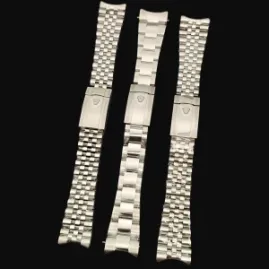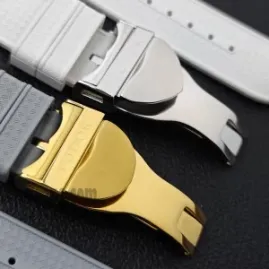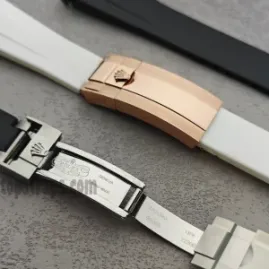
An Omega watch is more than just a timepiece; it’s a statement of precision, history, and personal style. A significant part of that style comes down to the strap or bracelet you pair it with. The right choice can transform your watch’s look and feel, adapting it from a rugged sports companion to an elegant dress accessory.
But with so many high-quality options available, how do you decide? This guide explores the distinct advantages of rubber, leather, and steel, helping you find the perfect match for your Omega and your lifestyle.

Omega Rubber Straps: Sporty and Durable
Once reserved for dedicated dive watches, the rubber strap for Omega has become a popular choice for its modern aesthetic and practical benefits. Known for their durability and comfort, rubber straps are perfect for those with an active lifestyle.
- Pros: Rubber is completely waterproof, making it the ideal partner for a Seamaster Planet Ocean or Aqua Terra on a day at the beach or by the pool. It’s also resistant to sweat and UV rays, so it won’t degrade or discolor over time. These straps are lightweight, flexible, and easy to clean, offering exceptional comfort for daily wear.
- Cons: While increasingly versatile, a rubber strap may feel too casual for formal occasions or a professional setting. Its sporty look, while a strength, doesn’t pair as naturally with a suit as leather or steel.
Best for: Active individuals, casual daily wear, and anyone who frequently exposes their watch to water. An Omega rubber strap adds a contemporary, athletic edge to any watch in the collection.
Omega Leather Straps: Classic and Elegant
Nothing says classic sophistication quite like a fine leather strap for Omega. Leather has been the traditional choice for wristwatches for over a century, offering a timeless appeal that is both elegant and versatile. Omega provides a range of high-quality leathers, including alligator and calfskin, in various colors and finishes.
- Pros: Leather straps are lightweight and mold to your wrist over time, creating a custom fit that is incredibly comfortable. They can instantly elevate a watch, making a Speedmaster or De Ville look right at home in the boardroom. The variety of colors and textures allows for easy personalization.
- Cons: The main drawback of leather is its vulnerability to moisture. Water and sweat can cause the material to stain, warp, and eventually break down. This makes it a poor choice for swimming or intense physical activity. They also show wear and tear more readily than rubber or steel and may need to be replaced every few years.
Best for: Professional settings, formal events, and everyday wear in dry conditions. A leather strap brings a touch of warmth and classic character to your Omega.

Omega Metal Bracelets: Robust and Timeless
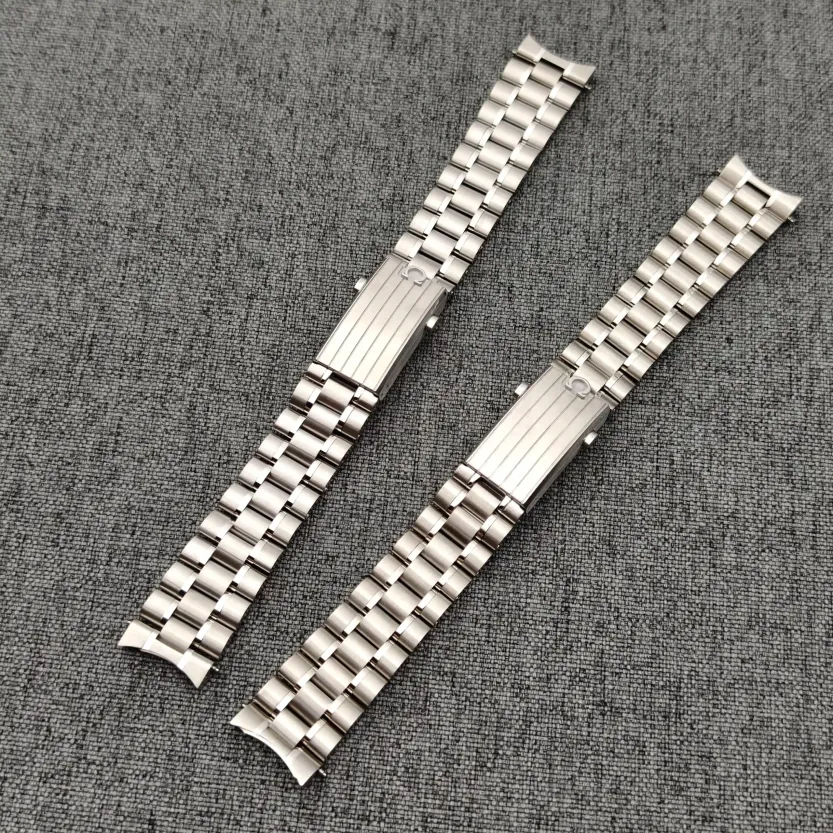
The Omega metal bracelet is an iconic part of the brand’s identity. Engineered to the same high standards as the watch cases, these steel bracelets are renowned for their robustness, intricate design, and all-around versatility. Whether it’s the legendary Speedmaster bracelet or the sophisticated design of a Constellation, steel is a choice that exudes confidence.
- Pros: Steel bracelets are incredibly durable and can handle almost any environment. They are resistant to scratches, water, and corrosion, making them a true “go anywhere, do anything” option. A metal bracelet offers a sense of substance and presence on the wrist that many collectors love. It can seamlessly transition from a casual t-shirt to formal business attire.
- Cons: Metal bracelets are heavier than their rubber and leather counterparts, which some wearers may find less comfortable for all-day use. They can also be prone to showing scuffs and scratches, particularly on the clasp. While adjustable, getting a perfect fit might require removing links, which is best done by a professional.
Best for: The owner who wants one strap that can do it all. The steel bracelet is a timeless, durable, and incredibly versatile option suitable for nearly any occasion.
What’s the Right Choice for You?
Choosing the perfect strap for your Omega ultimately comes down to your personal style and how you plan to wear your watch.
- For the adventurer and athlete, the durability and water resistance of a rubber strap for Omega are unmatched.
- For the boardroom professional and classicist, the elegance and comfort of an Omega leather strap are hard to beat.
- For the person who needs versatility, the timeless strength and style of a metal bracelet for Omega make it the ultimate all-rounder.
Many enthusiasts own multiple straps, swapping them out to suit the day’s activities. This not only keeps your watch looking fresh but also extends the life of each strap. Whichever you choose, pick a strap made to your watch’s exact lug width so it fits flush and stays secure.
Frequently Asked Questions
What are the benefits of an Omega rubber strap?
Omega rubber straps are durable, lightweight, waterproof, and resistant to sweat and UV rays. They are perfect for active lifestyles and water-related activities, offering a sporty and modern aesthetic.
Are there drawbacks to wearing an Omega rubber strap?
The main drawback of rubber straps is their casual appearance, which may not suit formal or professional settings. While versatile, they are generally considered more sporty than leather or steel.
Why choose an Omega leather strap?
Omega leather straps offer timeless elegance and sophistication, making them ideal for professional and formal occasions. They mold to the wrist over time for comfort and are available in a wide variety of colors and finishes.
What are the disadvantages of an Omega leather strap?
Leather straps are not water-resistant and can be damaged by sweat or moisture. They also show wear more quickly than rubber or steel and may need periodic replacement.
What makes an Omega metal bracelet a good choice?
Omega steel bracelets are robust, resistant to water and scratches, and highly versatile. They can be worn in almost any environment and transition seamlessly from casual to formal attire.
Are there downsides to Omega steel bracelets?
Steel bracelets are heavier than rubber or leather, which some may find less comfortable for long wear. They can also show scratches and usually require professional adjustment to achieve the perfect fit.
Which Omega strap should I choose: rubber, leather, or steel?
The choice depends on your lifestyle and style preference. Rubber straps are best for sports and water activities, leather straps suit professional or formal settings, and steel bracelets provide durability and all-around versatility. Many collectors own multiple straps and swap them based on the occasion.
New to changing straps? Our complete watch strap guide covers sizing, materials, care and strap guides for every major watch brand.